

Three dates are circled on your new shop’s calendar: the landlord’s insurance-proof deadline, the day you get the keys and bring in merchandise, and the day customers walk through the door. Meeting the first deadline does not necessarily prepare you for the other two. Before choosing coverage or relying on a certificate, check what the lease requires against what your stock, space, and customer-facing work put at risk.
Opening a retail shop?
Your lease deadline, move-in date, and opening day may call for different coverage questions. See how SJJ Insurance Services can help you review the timeline.
A retail lease may specify when you must provide proof of insurance, required limits, and parties the landlord wants named on a policy. Those terms matter: missing a requirement can create a problem with the lease. But the landlord’s requirements are written for the landlord’s interests, not as a complete assessment of your shop. They may not answer whether merchandise, fixtures, or improvements you pay for are protected, or whether the coverage reflects what happens when customers visit.
A certificate of insurance documents certain policy information at a point in time; it is not the policy itself and does not expand coverage. We would look at the lease language alongside the proposed policy terms and your plans for the shop, rather than treating a certificate as the answer to every insurance question.
Before signing, find the proof deadline
Pull out the lease’s insurance exhibit before you commit, even if the rest of the lease is getting most of your attention. Note the types of insurance it calls for, any limits, the exact legal names and roles of parties to be included, what proof the landlord will accept, and when that proof is due. If a term is unclear, flag it for discussion rather than guessing that a standard certificate will satisfy it.
Put the proof deadline next to your expected possession and opening dates. A landlord might request proof before handing over the keys; your own property might arrive later or earlier than expected. The order is not the same for every lease. When we review insurance coverage for small businesses opening a retail space, we ask about each date separately so the paperwork deadline does not quietly become the assumed start date for every protection the shop may need.
Before the keys and stock arrive, check when protection begins
The first sale is not necessarily the first day you have something to lose. You might take possession, install shelving, receive shipments, and finish a buildout while the shop is still closed to shoppers. Tell us when you expect to control the space and when merchandise, equipment, and fixtures will first be there. Then we can discuss which effective dates and property protections to review before you move in or stock the shelves.
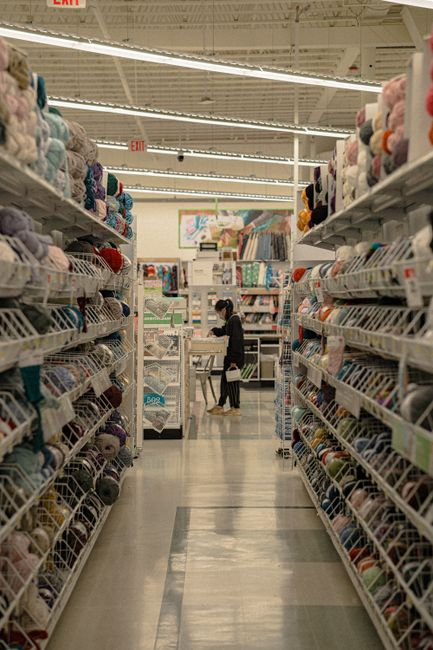
Estimates are useful even if your orders are not final. What will your inventory be worth at opening, and could its value rise sharply after a delivery? Which display cases or other fixtures belong to you? Are you paying for improvements to the leased space, and what does the lease say about responsibility for them? Bring a description of the space and where stock will be kept. The answers help us examine possible gaps; they do not, by themselves, establish that a particular policy will cover a loss. Actual terms, limits, and exclusions matter.
Before opening day, describe what customers will do
Once visitors enter, the picture changes again. A shop offering walk-in browsing has different day-to-day activity from one operating mainly by appointment or fulfilling online orders from the space. Tell us when customers will first have access, what you sell, and whether people will attend demonstrations, pick up orders, or use any part of the premises beyond the sales floor. We can then review liability questions against those activities, not only against the landlord’s requested proof.

Do not assume an opening-day policy date answers what happens during a preview event or an earlier customer pickup. Equally, do not assume the proof deadline alone establishes when customer-facing coverage is appropriate. The timeline and proposed policy need to be checked together.
Put the landlord’s request beside your shop’s needs
A quick side-by-side check can expose questions worth raising before you bind coverage:
| What the landlord asks for | What the shop may need to discuss with SJJ |
|---|---|
| Proof by a stated date | Will protection begin when you take possession or when merchandise first arrives, if those dates differ? |
| Specified insurance types, limits, or named parties | Do the proposed policy terms address both the lease wording and your actual sales and visitor activity? |
| Insurance obligations for the leased space | Who is responsible for your stock, fixtures, and paid-for improvements under the lease, and what protection should be considered? |
These are prompts for a review, not a prescription for every retailer. The right answer depends on the lease, the shop’s operations, and the policy being considered.
Bring the calendar and the lease to your coverage review
You do not need perfect forecasts to have a useful conversation. A short set of documents and working estimates lets us connect the landlord’s requirements to what will actually happen in the shop:
- The lease and insurance exhibit: We can check the required proof, limits, parties, and any responsibilities assigned to you.
- The proof deadline and launch dates: Include lease signing, possession, first stocking or installation, any preview events, and the first customer visit so we can discuss timing.
- Inventory and equipment estimates: Opening values and expected delivery dates help us ask what property may be at risk before sales begin.
- Space and buildout details: Note storage areas, fixtures you own, planned improvements, and who is paying for them.
- A description of sales and visitors: Explain what you sell and how customers will use the space so the liability review reflects your operation.
Bring those details to SJJ Insurance Services before binding a policy. We can review the actual lease and your opening plans together, identify questions the proposed coverage needs to answer, and help you work toward both the landlord’s deadline and the shop’s own protection needs.
Review your lease and opening plans together
Bring your insurance exhibit, key dates, inventory estimates, and shop details to SJJ Insurance Services. We can help identify questions to address before you bind coverage.